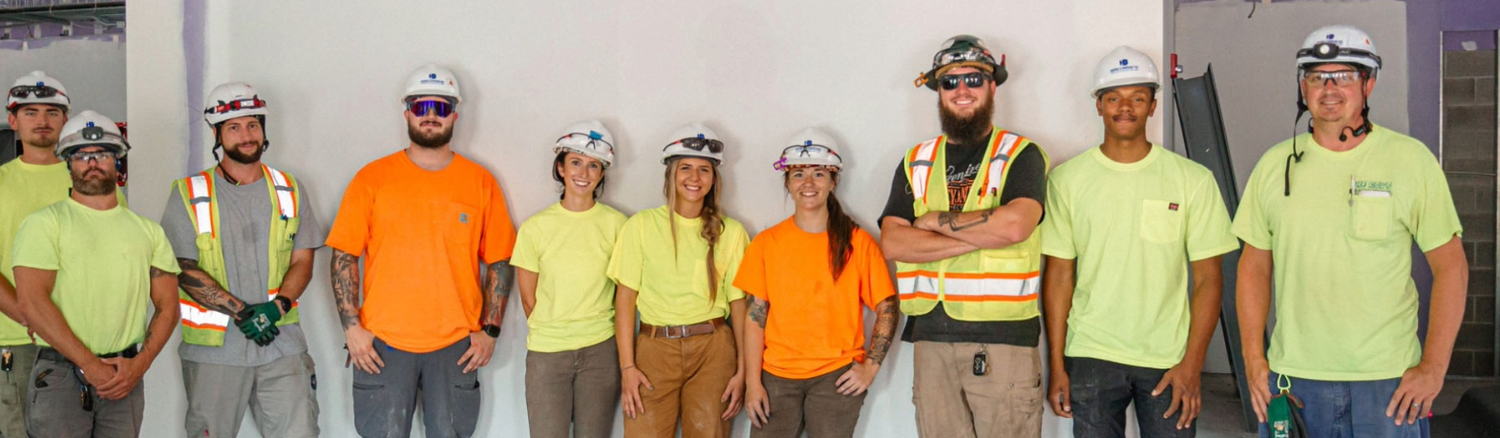
A training center. Separate from the union, sponsored by the union and the contractors together.
We are a non-profit training center in New Castle, Pennsylvania — our own organization, with our own building, staff and governing committee. We are sponsored by two other organizations: the electricians' union, IBEW Local 712, and the association of electrical contractors, the Western Pennsylvania Chapter of NECA. Our job is to train the next generation of electricians for Beaver, Lawrence, Mercer and Crawford Counties.
Who runs it
The training center is governed by its own committee, made up equally of union members and contractors. The committee sets policy and the Training Director runs the program day to day. The two sponsors below support the training center; they are not the same organization as it.
IBEW Local 712 — the union
The electricians' union for our four counties, founded in 1914, with its own hall in Beaver. More than 450 members work for over 40 local electrical contractors. Membership, hiring and work assignments are the hall's business, not the training center's.
ibew712.org · 724-775-0969
Western Pennsylvania Chapter of NECA — the contractors
NECA is the National Electrical Contractors Association — the trade group for electrical contracting companies. Its Western Pennsylvania chapter has represented contractors in this region for more than 70 years. Its member companies employ our apprentices.
Western PA NECA confirm link

The electrical training ALLIANCE — the curriculum
The national organization that writes the curriculum used by union electrical apprenticeships across the country. Our classes follow its standards, which is why the training is recognized nationwide and can count for college credit.
electricaltrainingalliance.org
The five-year program
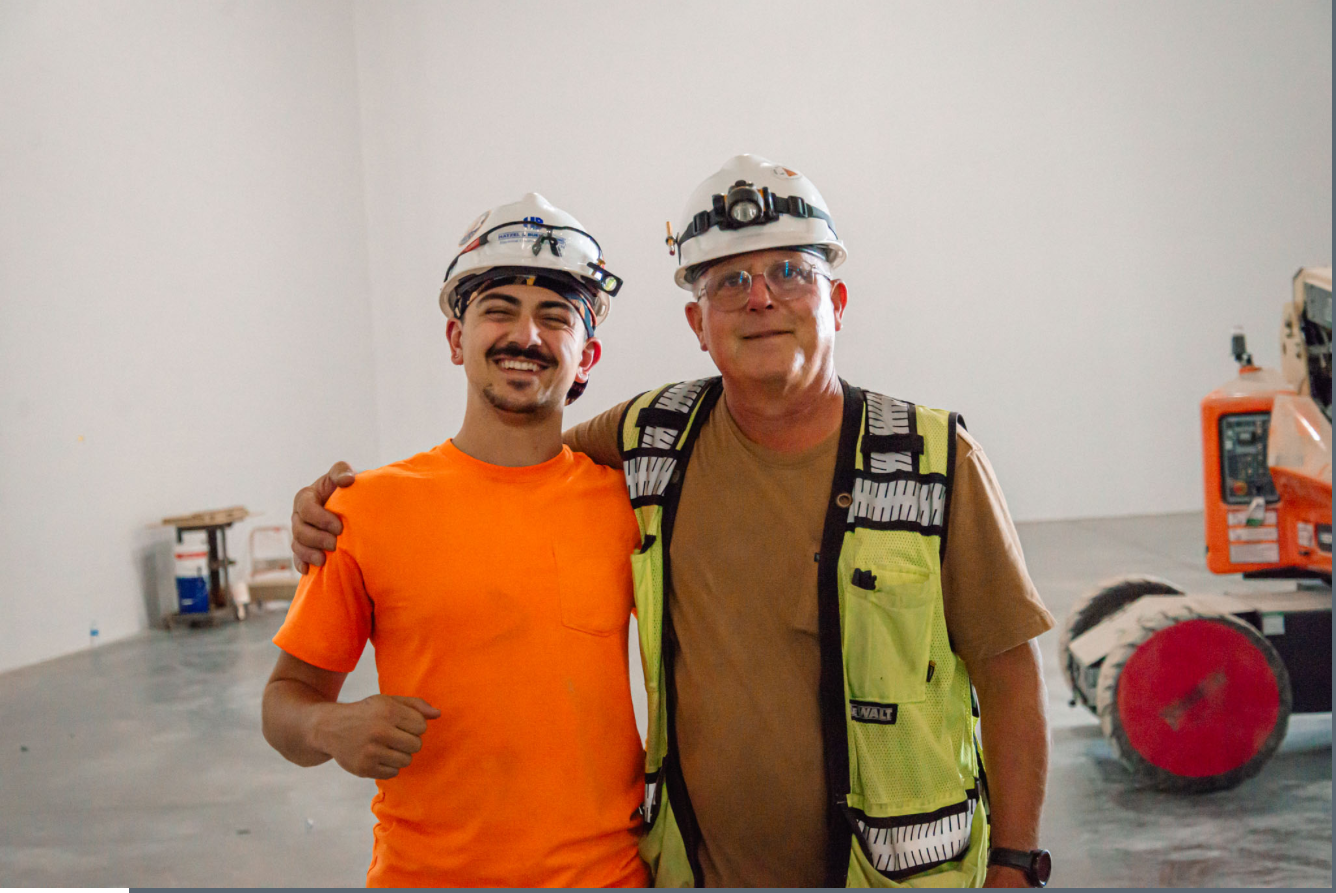
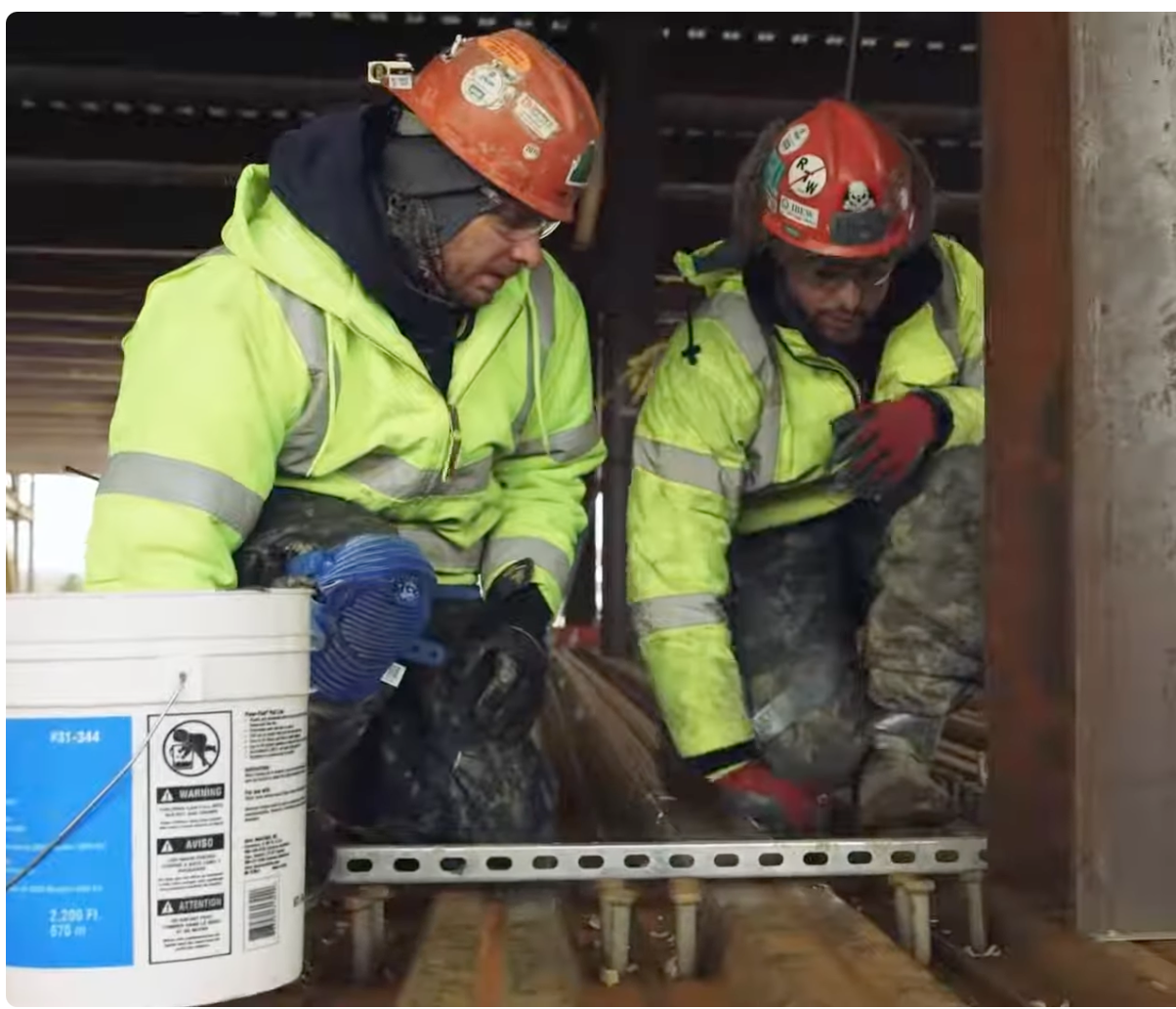
A full-time job and a school at the same time. You work for a local electrical contractor during the day and come to class at the training center.
What you learn
Classes run through all five years. The early years cover the foundations; the later years cover the specialized systems electricians install and maintain.
The foundations
- How electricity works — direct and alternating current
- The electrical code — the rules every installation has to meet
- Bending and installing conduit
- Reading construction drawings
- Using meters and test instruments
- Code calculations
- Grounding and bonding
- Transformers
- Electrical safety and safe work practices
The specialized systems
- Motors and motor controls
- Programmable controllers (the computers that run machinery)
- Building automation
- Instrumentation — the sensors and controls in plants and refineries
- Fire alarm systems
- Data, communication and low-voltage cabling
- Solar (photovoltaic) systems
- Security and access control
- Hospital and health-care electrical systems
- Lightning protection
Where you work
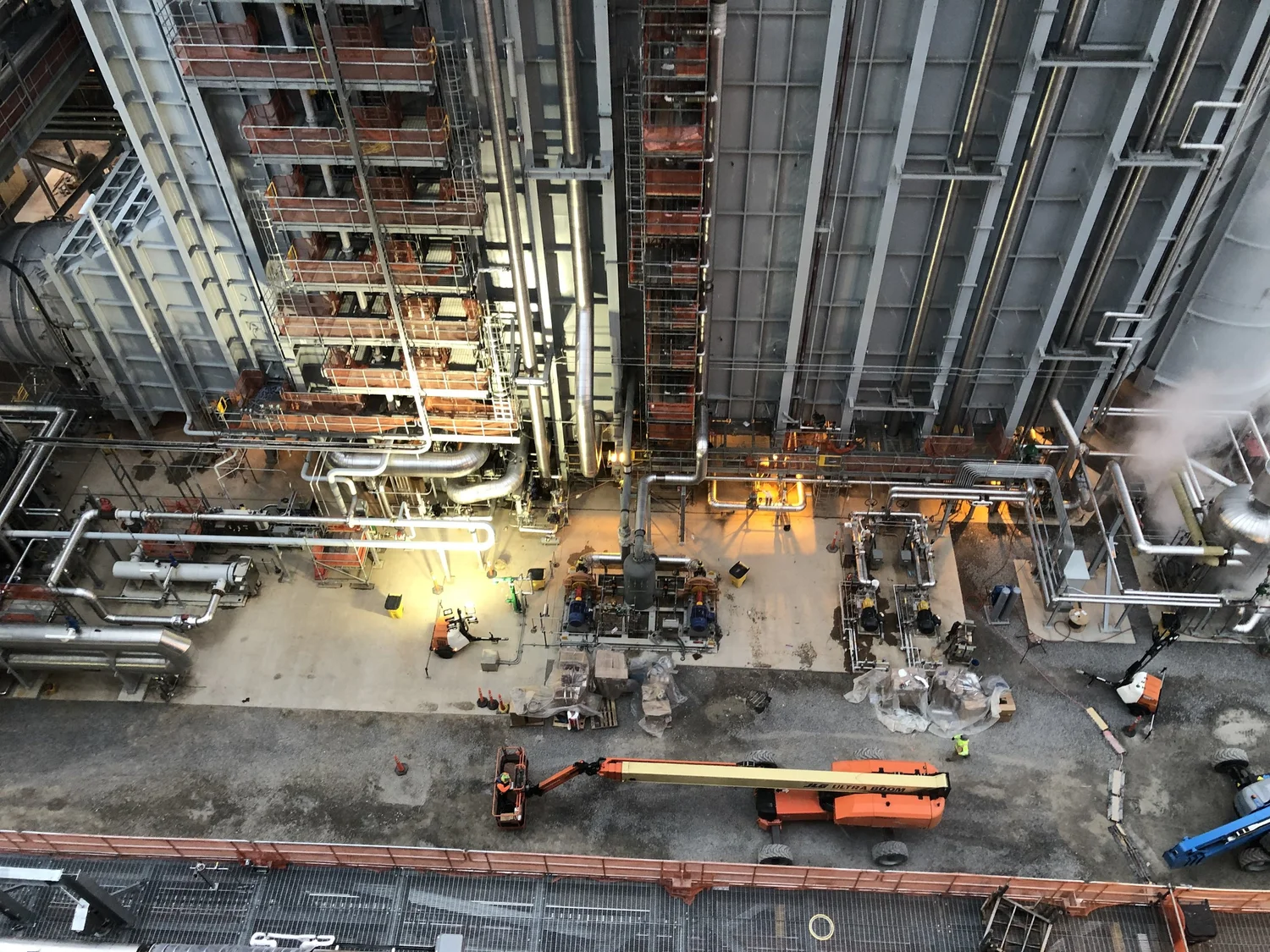
Our contractors build and maintain electrical systems across the region. Over five years you will see several kinds of work.
The kinds of jobs
- Commercial buildings — offices, stores, warehouses
- Manufacturing plants and industrial sites
- Schools, hospitals and health-care facilities
- Houses and apartment buildings
- Power, water and infrastructure projects
What the work asks of you
Electrical work is physical. On a normal day you may:
- Climb ladders, scaffolds, poles and lifts
- Work in tight spaces — attics, crawlspaces, manholes
- Lift and carry 25 to 50 pounds
- Use hand tools and power tools
- Work indoors and outdoors in all weather
After you finish
Finishing the program makes you a fully qualified electrician, able to work on your own anywhere in the country. Many go further.
On the job
Electricians move up into running crews and projects: foreman, general foreman, superintendent, estimator, project manager. Some come back to teach — every instructor here started as an apprentice.
College credit
The American Council on Education has reviewed the apprenticeship and recommends up to 60 college credits for it. That means a degree without starting from scratch.
Degrees
An associate degree through the Community College of Beaver County, and from there a bachelor's in construction management through Rowan University, mostly online, built for people who are working. Details are on the page for electricians.
The training center
Our building on Wilmington Road in New Castle has classrooms and hands-on labs: motor control and programmable-controller stations, a house-wiring room, conduit bending, meters and instrumentation, transformers, fiber optics, fire alarm, welding, and high-voltage cable work.
The people
Jeff Mendillo, Training Director — runs the program day to day and is the person to ask about applying, classes and accommodations.
Office — office manager's name, if you want it public
Instructors — working electricians who teach part-time, all graduates of an apprenticeship themselves.
The committee
The program is governed by a committee made up equally of union members and contractors. The committee sets policy, approves who is selected, and answers to the state agency that registers apprenticeship programs. Our equal opportunity pledge is signed by its officers.
Contact the training center
- Address
- 3891 Wilmington Road
Neshannock Township, PA 16105 - Phone
- 724-775-6920
- [email protected] confirm
- Office hours
- Monday–Friday, hours to confirm