
Continue your Journey
Your Apprenticeship Is Just the Beginning Successful completion of the Western Central Pennsylvania Electricians JATC apprenticeship program can lead to a rewarding career in the electrical industry, opportunities for leadership, and continued educational advancement.
Graduates develop the skills, knowledge, and experience needed to work independently in the electrical trade while also creating pathways for future professional growth.
What Is a Journeyman Wireman?
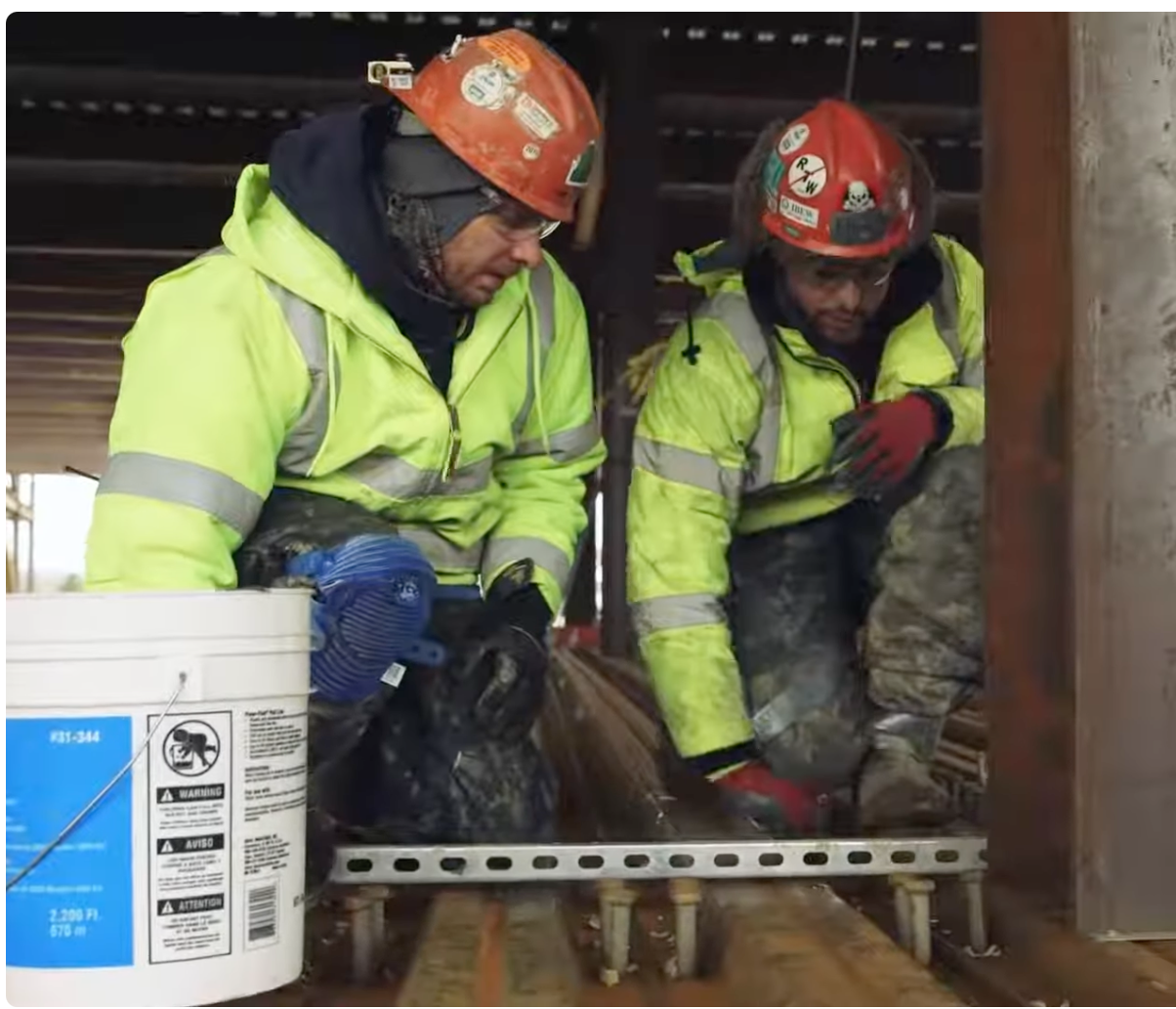
Journeyman Wiremen install, maintain, troubleshoot, and repair electrical systems in commercial, industrial, and other settings.
You must accomplish the following:
8,000 Hours
Complete required on the job training experience.
Technical Training
Successfully complete classroom and related instruction
Meet Requirements
Earn recognition as a qualified electrical professional
What Does a Journeyman Wireman Do?
Electrical Skills:
Installing conduit and raceway systems
Installing lighting and power systems
Wiring motors and control systems
Working with fire alarm systems
Installing communication and data systems
Troubleshooting electrical equipment
Maintaining electrical systems
Work Environments:
Commercial construction
Industrial facilities
Manufacturing plants
Schools and universities
Hospitals and healthcare facilities
Energy and infrastructure projects
Career Opportunities:
Inside Wiremen
Commercial and industrial electrical construction, maintenance, and systems
Learn More - click here

Installer Technician
Specialized electrical systems and technology installations.
Learn More - click here
Residential Wiremen
Residential electrical installation and service opportunities.
Learn More - click here
Leadership Opportunities
Many electricians advance into leadership and management positions throughout their careers.
Potential career paths include:
Foreman
General Foreman
Superintendent
Estimator
Project Manager
Instructor
Training Director
The combination of field experience, technical knowledge, and continuing education creates opportunities for increased responsibility and leadership.
Associate Degree Opportunities:
Community College of Beaver County (CCBC)
Apprentices may have the opportunity to earn an Associate Degree through the Community College of Beaver County.
By combining apprenticeship training with additional general education coursework, graduates can continue building both technical and academic credentials.
Bachelor's Degree Opportunities
Rowan University Partnership
The Electrical Training ALLIANCE and Rowan University have established an educational partnership that provides apprenticeship graduates with pathways into higher education opportunities.
Eligible graduates may pursue:
Bachelor of Arts in Construction Management
Construction Management Certificates
Construction Project Management Certificates
Construction Leadership Certificates
Additional educational advancement opportunities
Programs are designed to accommodate working professionals through online learning options.
College Credit Opportunities
Apprenticeship and College Credit:
Apprenticeship training may qualify for college credit through recognition by the American Council on Education (ACE).
This recognition can help apprenticeship graduates continue their education without starting from scratch.
Benefits may include:
College credit for apprenticeship training
Reduced time needed to complete a degree
Lower educational costs
Flexible educational pathways