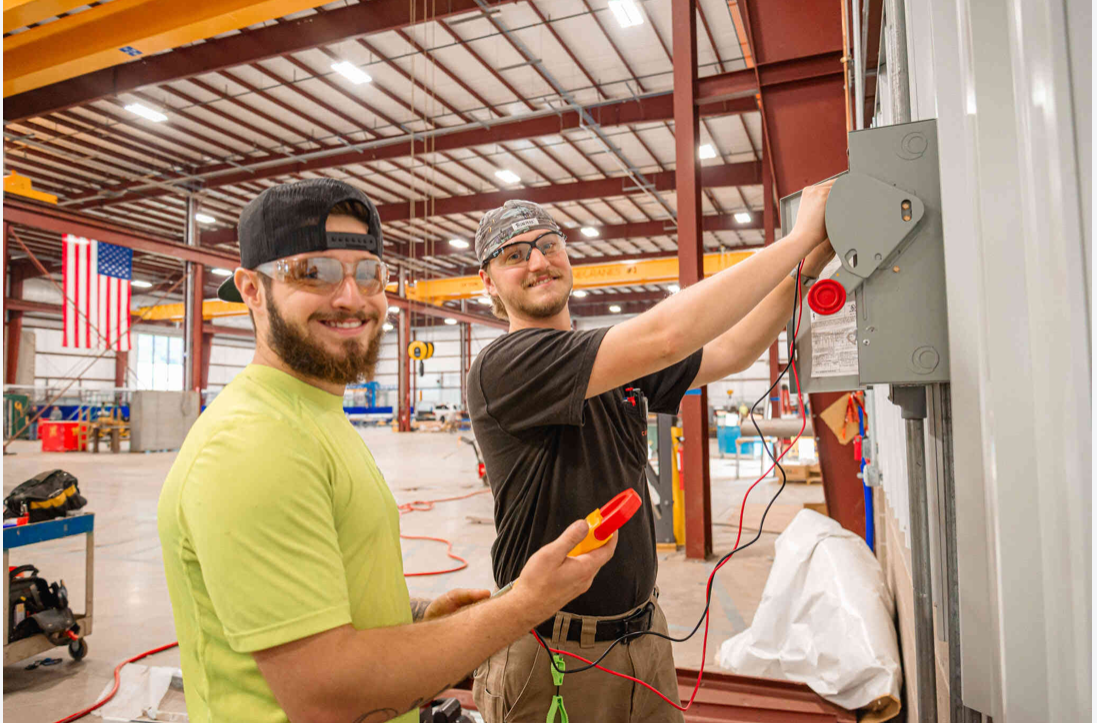
Apprentice Applications Open up on September 1st.
Program Overview
The electrical apprenticeship is a five-year program registered with the U.S. Department of Labor.
Apprentices gain experience in residential, commercial, and industrial electrical work while completing structured classroom and hands-on training throughout the program.
Training is provided through a partnership between the Western Central Pennsylvania Electricians JATC, participating electrical employers, and IBEW Local Union 712.
Advancement and Pay Progression
Your advancement in the apprenticeship program is based on both work performance and classroom achievement.
To advance, apprentices must:
Complete required on-the-job training.
Maintain satisfactory classroom performance.
Demonstrate consistent attendance at work and school.
Follow program requirements and jobsite expectations.
Pay Progression:
Apprentices receive periodic pay increases as they successfully complete on-the-job training and related classroom instruction throughout the apprenticeship program.
What You'll Learn
Apprentices receive structured instruction in all major areas of the electrical trade, including:
Core Electrical Training
Electrical theory
National Electrical Code (NEC)
Lighting and power distribution
Industrial controls
Electrical testing equipment
High-voltage systems
Communication systems
Specialized Training
Example:
Programmable Logic Controllers (PLCs) - Industrial automation and control systems
Instrumentation - Measuring and monitoring industrial processes
Networking and Communications - Systems that transmit data and information
Fire Alarm Systems
Jobsite Management and Supervision
Where Apprentices Work
Apprentices may gain experience in a variety of settings, including:
Commercial buildings
Industrial facilities
Manufacturing plants
Schools and healthcare facilities
Public infrastructure projects
Residential construction
All apprentices also receive First Aid, CPR, and OSHA safety training to ensure safe and professional work practices
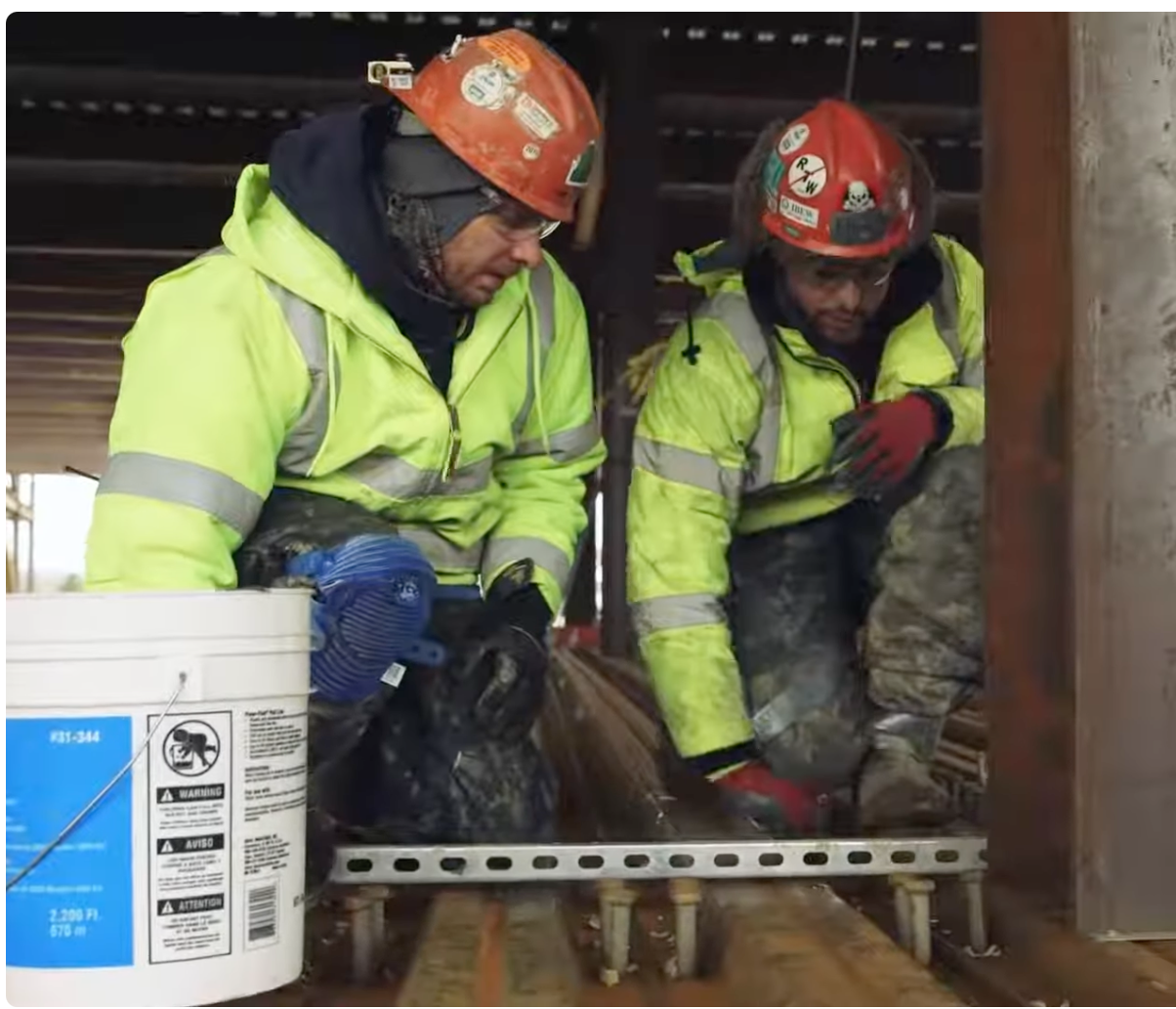
Expectations
Apprentices are expected to maintain a high standard of professionalism throughout the apprenticeship program.
Responsibilities include:
Attending work assignments and classroom instruction regularly.
Following safety procedures and OSHA requirements.
Complying with apprenticeship standards, policies, and program requirements.
Demonstrating professionalism and respect on jobsites and in training environments.
Completing assigned coursework and training requirements.
Electrical work can be physically demanding and may involve:
Climbing ladders and working at heights.
Lifting and carrying materials.
Working in confined spaces.
Using hand and power tools.
Working indoors and outdoors in a variety of conditions.
Attention to detail, problem-solving skills, and a commitment to safety are important to success in the electrical trade.
Pay & Benefits
Apprentices receive pay while participating in the apprenticeship program and may become eligible for periodic pay increases as they successfully complete on-the-job training and related classroom instruction.
Benefits of the apprenticeship program include:
Paid on-the-job training.
Periodic pay increases based on apprenticeship progression.
Health, retirement, and other benefits as provided under the applicable Collective Bargaining Agreement (CBA).
Classroom instruction and hands-on training.
Training opportunities in residential, commercial, and industrial electrical work.
Career and Educational Advancement
Successful completion of the apprenticeship program can open doors to additional educational opportunities.
Benefits may include:
Up to 60 college credit hours recognized through the American Council on Education (ACE)
Associate degree opportunities through the Community College of Beaver County (CCBC)
Bachelor's degree pathways through Rowan University and the Electrical Training ALLIANCE
Opportunities for continued professional development in construction management, leadership, and project management
These educational pathways allow apprentices to build on the knowledge and skills gained through apprenticeship training without starting their college education from scratch.

Journeyman Status
Upon successful completion of the apprenticeship program, apprentices become Journeyman Wiremen.
To complete the program, apprentices must:
Complete 8,000 hours of on-the-job training.
Successfully complete all required classroom and related training instruction.
As Journeyman Wiremen, graduates have demonstrated the knowledge, skills, and experience required to work independently in the electrical industry.
Graduates also receive:
Recognition as a Journeyman Wireman through the IBEW apprenticeship system.
Industry-recognized credentials earned through completion of a registered apprenticeship program.
The ability to seek employment opportunities throughout the United States and Canada where applicable agreements and opportunities exist.